How Car Key Fob Programming Actually Works — and Why It Fails
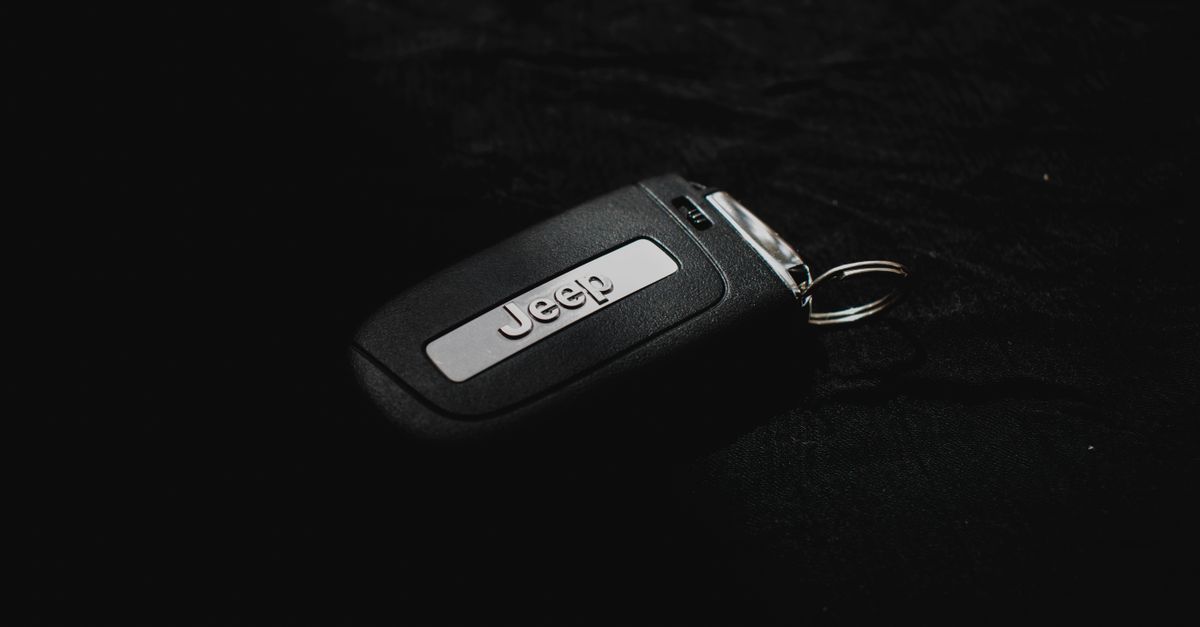
A key fob is more than a plastic remote — it contains a rolling-code radio transmitter that must be electronically married to your vehicle's body control module, and many modern keys also house a transponder chip that communicates with the engine immobilizer. When that pairing is lost — due to a dead battery that wipes memory, a replacement fob purchased online, or a module reset after a repair — the car simply refuses to respond or start. Our technicians use professional-grade diagnostic programming equipment to re-establish that communication link, covering everything from simple remote synchronization to full transponder chip pairing for push-start and proximity systems found on newer vehicles.
Failures happen for a surprising variety of reasons: signal interference near high-voltage infrastructure, water intrusion into the fob housing, accidental deletion of the key from the vehicle's memory, or a fob that was never properly programmed in the first place after an aftermarket purchase. Because Columbia sits in a humid subtropical climate — summers here are genuinely punishing — moisture-related fob failures are more common than drivers expect, especially for vehicles left outdoors near the Congaree River corridor. Knowing the root cause matters, because replacing the fob when the module is the real problem wastes time and money. Our diagnostic process identifies the actual fault before any parts are ordered.