What Is a Mortise Lock and Why Do Historic Columbia Homes Rely on Them?
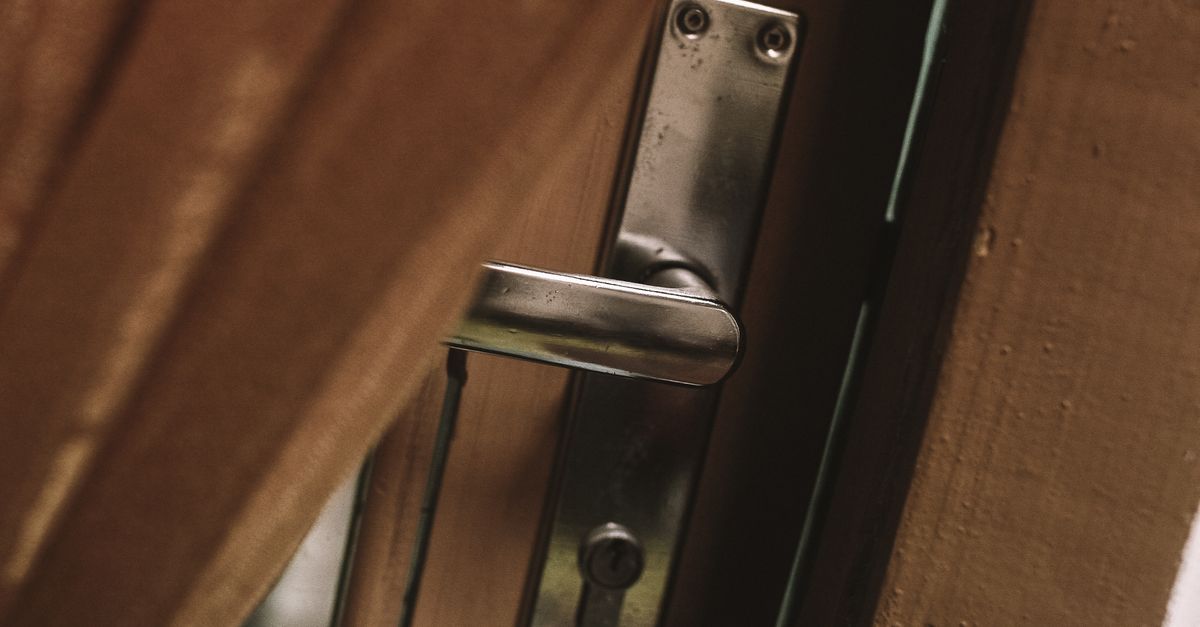
A mortise lock is a complete locking mechanism — latch bolt, deadbolt, and sometimes a privacy turn — housed inside a rectangular steel or cast-iron case that sits inside a precisely routed pocket (the 'mortise') cut into the door's edge. Because the case is fully recessed, the hardware is far more resistant to kick-in and pry attacks than a standard cylindrical lock set. Manufacturers like Corbin Russwin have been producing commercial-grade mortise lock bodies for over a century, and many of their mid-20th-century units are still operating in Columbia's older apartment buildings, churches, and office conversions near Main Street. Baldwin mortise lock sets, meanwhile, are a staple on upscale residential doors where brass aesthetics matter as much as security. Both brands — along with many vintage unlabeled units — are hardware we work with regularly.
The challenge with these mechanisms is that their complexity is also their vulnerability over time. Internal springs fatigue, cam followers wear out of alignment, tailpieces corrode, and the mortise lock cylinder can become so worn that keys begin to slip without turning the cam. Owners of historic properties often face a dilemma: sourcing a direct replacement for a 1930s unit is difficult, and cutting a new mortise pocket to fit a modern lock risks damaging irreplaceable millwork. Our technicians specialize in exactly this problem — rebuilding existing cases with compatible internal components, sourcing period-correct or dimension-matched replacement bodies, and ensuring the exterior trim and rose plates re-seat cleanly after the work is done.