Why Keys Snap — and What Happens Inside the Lock
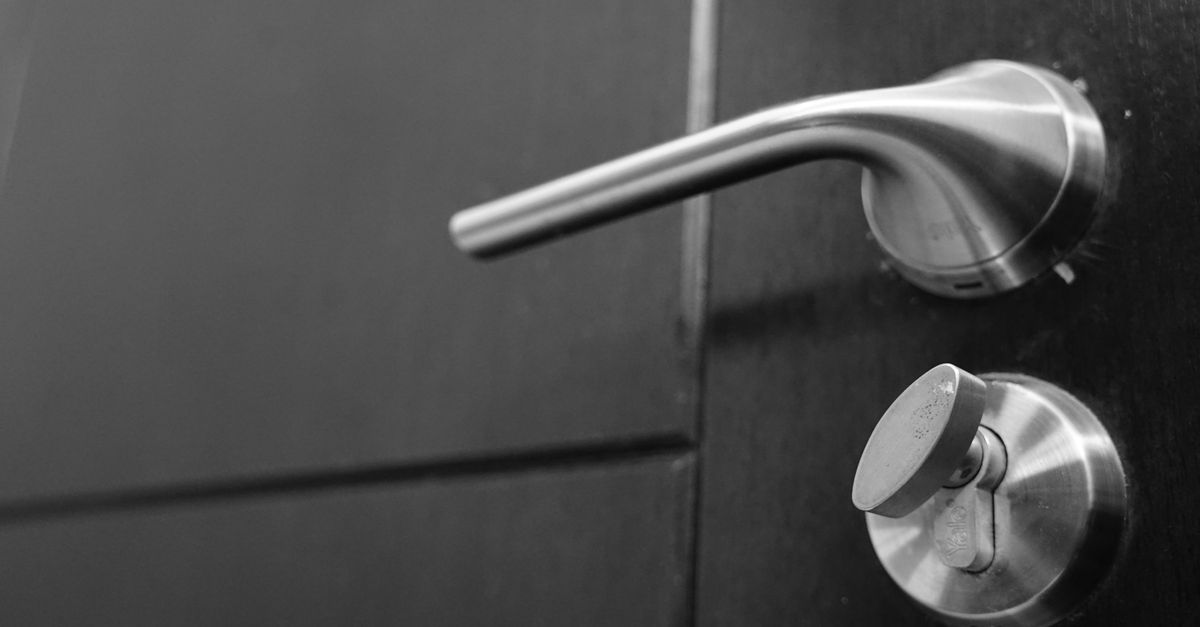
Keys break for predictable reasons: metal fatigue from years of daily use, a slight bend that never got straightened, a lock cylinder stiffened by worn springs or debris, or the simple bad luck of overtorquing a key on a cold January morning in Columbia when the metal is less forgiving. When the break happens inside the keyway, the remaining fragment typically lodges between the driver pins and the shear line of the cylinder. Because those pins are spring-loaded and pressing down on the fragment, the piece cannot simply slide out the way it slid in — it is effectively pinched in place.
The depth of the break matters enormously. A fragment that broke close to the bow (the part you hold) is easier to reach with a standard extractor hook. A fragment that snapped near the tip, deep inside the cylinder, requires a longer reach tool and sometimes a lubricant applied carefully to reduce friction without contaminating the pin stack. Lock type compounds the challenge: a standard Kwikset entry knob, a Schlage deadbolt, a mortise lock on an older Columbia bungalow, and a high-security commercial cylinder all have different keyway profiles and pin configurations that change how extraction is approached. This is why a one-size-fits-all approach fails and why trained evaluation before any tool touches the cylinder matters so much.