Signs It's Time for a Door Knob Lock Replacement
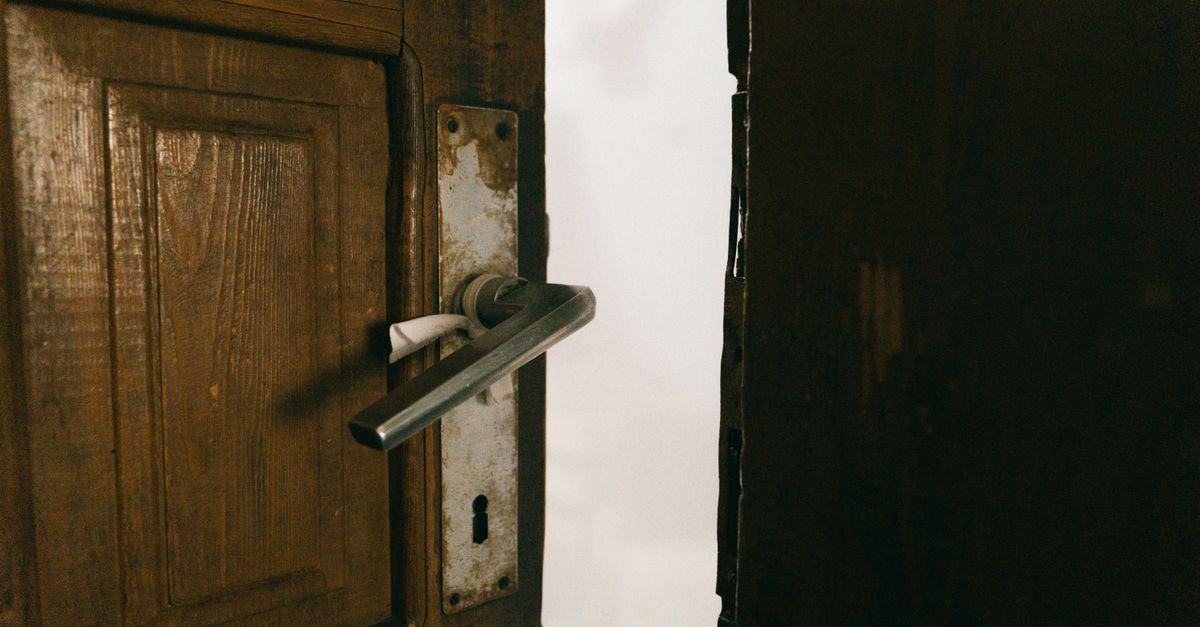
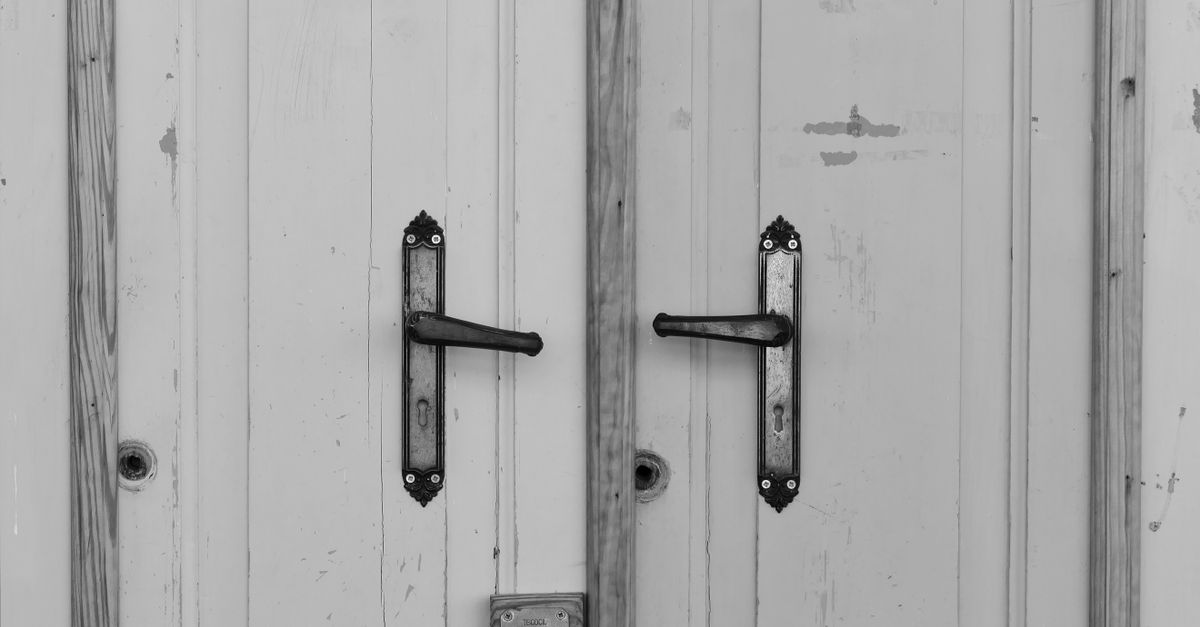
Not every failing lock announces itself dramatically. Sometimes the knob spins loosely without fully retracting the latch. Sometimes the key begins to stick, require jiggling, or simply stops turning — common symptoms of worn internal tumblers. In older Columbia homes, particularly craftsman bungalows in the Elmwood Park area, original knob hardware can be decades old, and replacement parts are often no longer manufactured. In those cases, our technicians evaluate whether a direct swap is feasible or whether upgrading to a modern keyed knob lock or a mortise lock is the smarter long-term move. Mortise locks are especially relevant for exterior doors because they recess fully into the door edge, offering superior resistance to forced entry compared to a standard surface-mounted knob lock.
Interior signs worth watching include a door knob with lock that no longer latches quietly, a privacy button that sticks in the locked position, or visible corrosion on the faceplate. On exterior doors, pay attention to any wobble in the knob under lateral pressure — that looseness can indicate that the spindle or set screw has failed, leaving the door far easier to manipulate than it appears. Our team performs a full mechanical inspection before recommending replacement, so you only pay for what the door genuinely needs.